How to choose a pet photo for engraving
Choose a sharp, eye-level photo in soft daylight. Keep the eyes, ears, and the edge of your pet’s face visible, with enough contrast to separate the coat from the background.
Compare portrait styles at three sizes ↓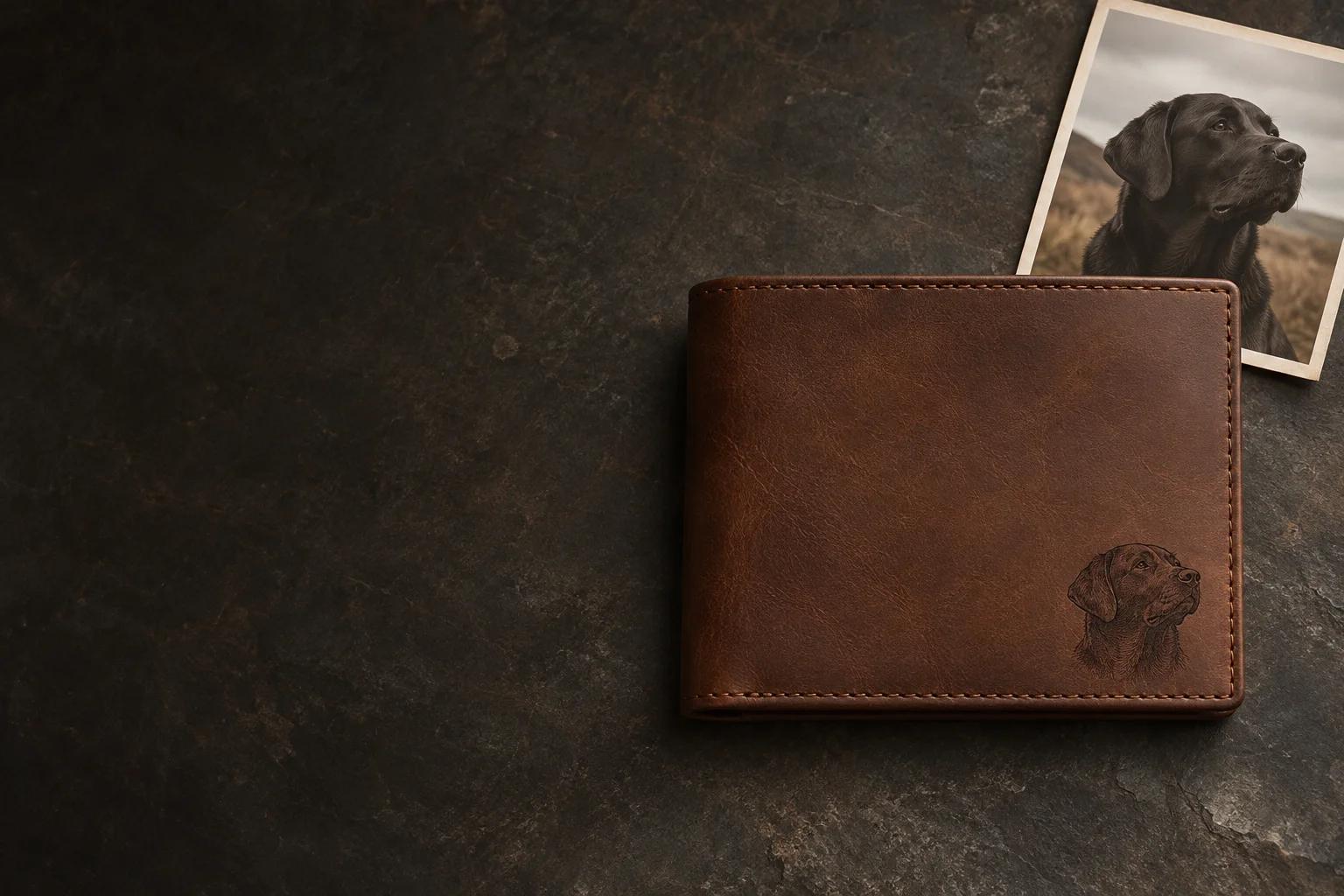
What if my dog or cat has a dark coat?
Face your pet toward a window or find open shade outdoors. Put a lighter background behind a dark coat so the outline of the ears and muzzle stays visible. Zoom in before choosing the photo. You should still be able to distinguish the eyes, nose, and any markings you want to keep.
Try a filled stencil for a dark or patterned coat. Our on-screen test with a synthetic border collie found that the outline drawing lost the dark coat, while the stencil kept the white blaze and the shape of the ears. Check markings against the source photo before you approve a drawing.
Which drawings fit a wallet or keychain?
Start with a head-and-shoulders crop for a wallet. Leave room around the ears and give a drawing with fine hatching a larger placement. For a keychain, start with one face and broad shapes. Fine lines and the gaps between them are easier to lose as the drawing shrinks.
What should I check in the preview?
Compare the eyes, ears, and coat markings with the original photo. Then inspect the design at the placement you chose. If fine details disappear, try a larger placement or a simpler drawing and review it again. The preview simulates the mark. Burn color and depth can vary with the material.
What fits on a keychain, wallet, or journal?
Start with a stencil for a keychain. At the default line weight, 3 of 5 stencils passed our digital check at keychain size, compared with 0 woodcuts and 0 outlines. The centered A5 cover passed 15 of 15 drawings across all three styles.
| Style | Keychain 22 × 30 mm | Wallet front 72 × 64 mm | A5 cover 110 × 120 mm |
|---|---|---|---|
| Stencil | 3 of 5 | 5 of 5 | 5 of 5 |
| Woodcut | 0 of 5 | 3 of 5 | 5 of 5 |
| Line | 0 of 5 | 3 of 5 | 5 of 5 |
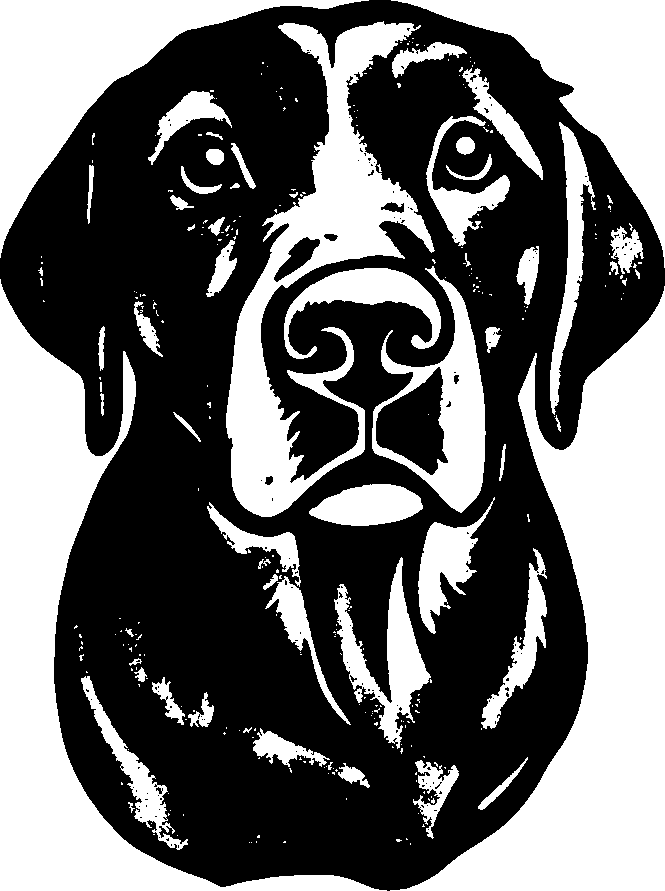
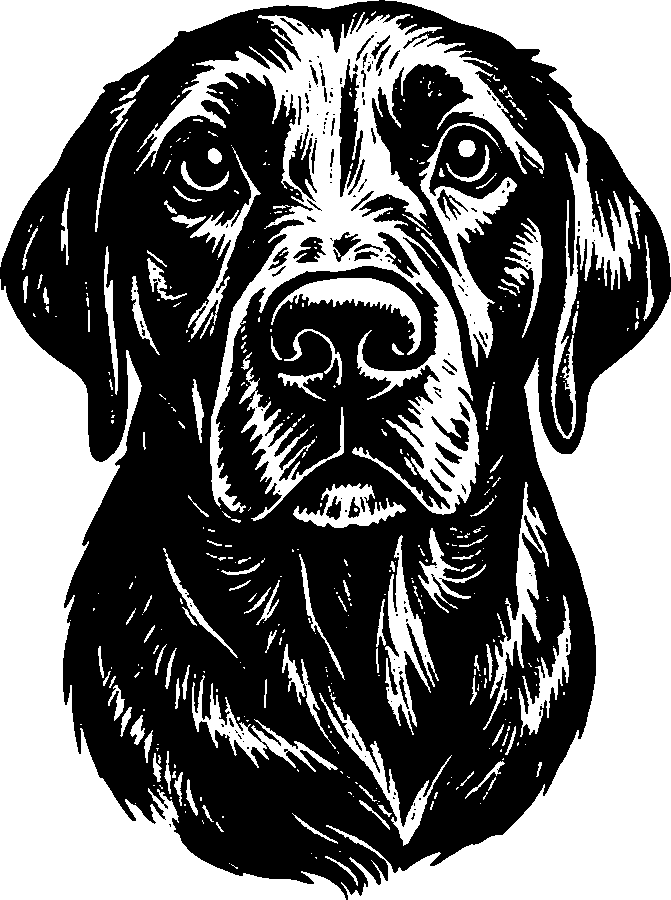
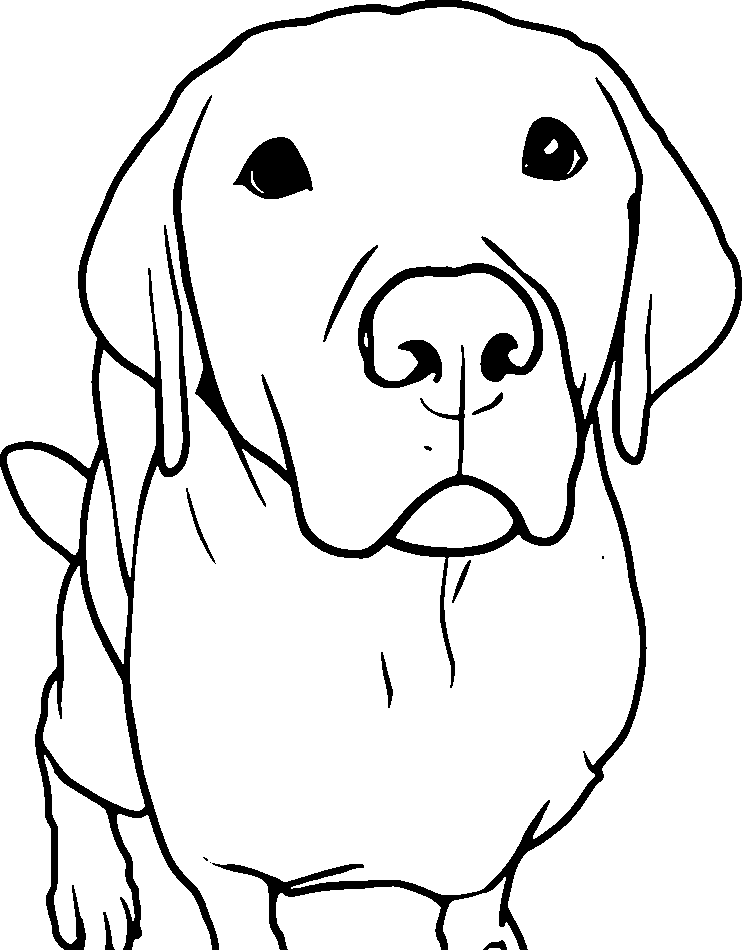
Three drawings from the same synthetic Labrador photo, shown enlarged. Fine hatching and thin outlines lose detail as they shrink.
How we ran the digital check
We checked three drawing styles across five synthetic examples. The examples show a black Labrador, a tabby, a terrier, a golden retriever, and two dogs together. We used standard detail and the default line weight. We fit each drawing inside the preview box without stretching it and applied the same detail check as the storefront preview. It requires at least 90% of both dark marks and light spaces to survive under an assumed 0.3 mm minimum feature size. We ran these checks on screen. Physical engraving results depend on the material and equipment.